
The Rule of Thumb
Never let a child or pet near a moving garage door, and test your door's safety features every month. The exceptions matter: a door that looks like it's "fully open" can still shift as it settles, a pet can dart under a door that's already reversing, and a child can trigger a wall button or remote without understanding what happens next. Safety here isn't a one-time setup. It's an ongoing habit, especially in a climate like ours where humidity, salt air, and storm season all work against your door's moving parts.
What Actually Goes Wrong
Most garage door injuries involving kids and pets fall into a few repeatable patterns:
- Pinch points on older panel doors. Non-insulated or older steel doors often have exposed hinges and seams between panels. Small fingers fit into these gaps in ways adult fingers don't.
- Auto-reverse failure. Every modern opener is required to reverse when it senses an obstruction, using either photo-eye sensors near the floor or pressure sensitivity in the motor. When these are misaligned, dirty, or worn out, the door can continue closing on a pet or a child's foot instead of stopping.
- Remote and keypad access. Kids treat garage remotes like toys. A remote left in a parked car, a stroller, or a low drawer can get pressed by accident while someone is still in the doorway.
- Door drop from spring failure. A torsion spring under tension holds most of the door's weight. When a spring snaps, the door can slam down far faster than it should. This is rare, but it happens without warning, which is exactly why it's dangerous around anyone standing underneath.
- Off-track movement. A door that's come off its track can jerk sideways or drop unevenly instead of moving in a straight, predictable line, which catches people off guard more than a normal cycle would.
How Bad It Gets
These aren't hypothetical risks. Pinch points cause finger lacerations and, in worse cases, partial amputations. A door that fails to auto-reverse on a small pet can cause blunt trauma or crush injuries. A spring failure with someone underneath can cause serious injury from the sudden weight of the door. None of these require a dramatically broken system, just one worn sensor, one skipped test, or one unattended remote.
The Specific Actions That Prevent It
Test the Safety Reverse Monthly
Place a roll of paper towels or a 2x4 flat on the ground where the door closes. Close the door using the wall switch. It should reverse immediately on contact. If it doesn't reverse, or it hesitates, stop using the opener until it's inspected. This one test catches the majority of auto-reverse failures before they involve a child or pet.
Check the Photo-Eye Sensors
The two small sensors near the bottom of the door track need to be aligned and clean to work. In Apollo Beach's salt-laden air, these sensors can corrode or collect a film faster than inland homes. Wipe the lenses monthly and watch for a steady indicator light rather than a blinking one, which usually signals misalignment.
Keep Remotes and Keypads Out of Reach
Store remotes on a high hook, not in a cupholder or glovebox a child can reach. Set keypad codes that aren't obvious, and change them if a babysitter, contractor, or guest no longer needs access.
Set the Wall Button High
Interior wall switches should be mounted high enough that a small child can't reach them, generally above 5 feet. If yours is low and original to the house, this is a simple fix during a tune-up visit.
Address Pinch Points Directly
If your current door doesn't have pinch-resistant panel design, pinch guards can often be added to the hinge areas. This matters more on older doors that predate current panel safety designs.
Don't Let the Door Double as a Play Boundary
Pets and kids both tend to linger in the garage doorway, whether it's a dog waiting to be let in from an afternoon downpour or a kid grabbing a bike before a storm rolls in. Build a habit of clearing the doorway fully before pressing the button, every time, rather than assuming everyone's clear.
Where Florida Weather Makes This Harder
Humidity swelling can make wood or composite panels stick slightly in their tracks, which sometimes leads to someone giving the door a manual push or extra force to get it moving. That extra force can mask a sensor or spring problem that would otherwise be obvious. Hurricane-rated doors built for wind load are heavier than standard doors, which means a spring or cable failure on one of these doors carries more force when something goes wrong. And storm season brings sudden wind gusts that can rattle a door on its track, which is worth a visual check after any serious weather event, not just a shrug-and-move-on.
When to Call Apollo Beach Garage Door Experts
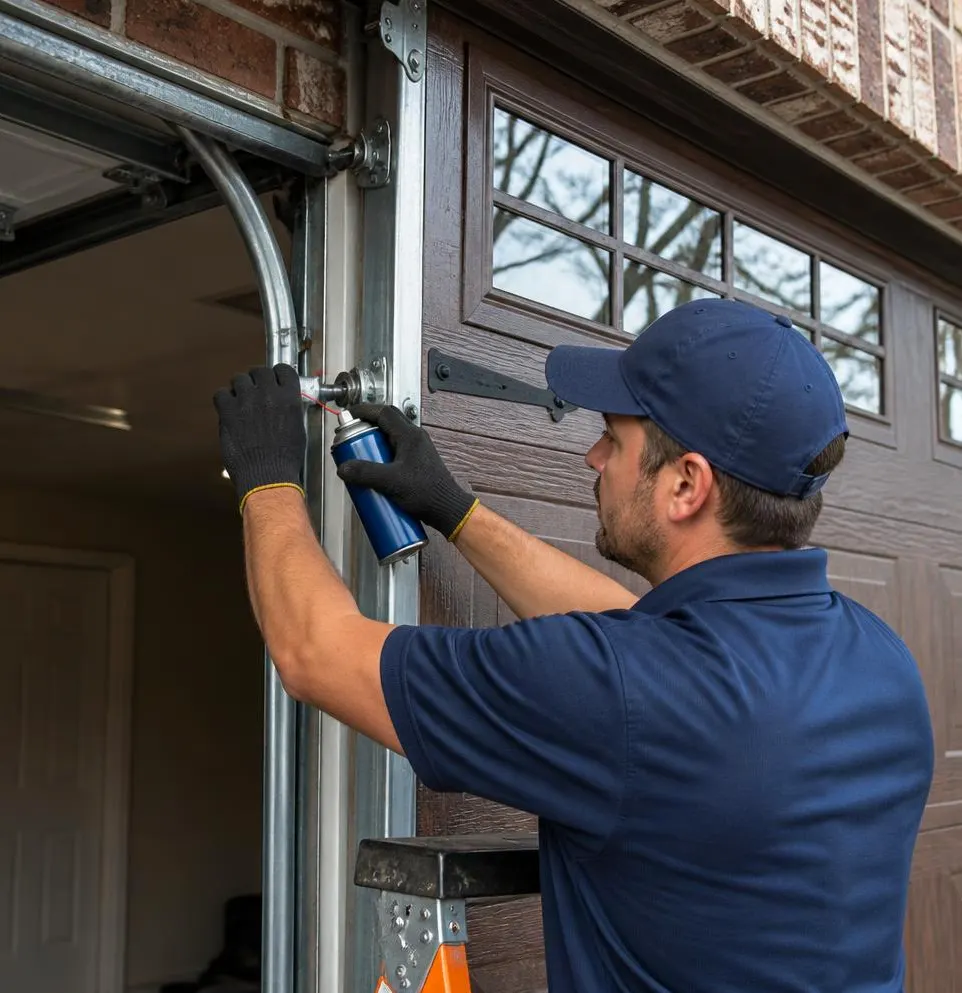
If your auto-reverse test fails, if the door doesn't move smoothly and evenly on both sides, or if you notice gaps, rust, or looseness around the hinges and track, it's time to get it looked at rather than wait. Our Garage Door Maintenance & Tune-Up service covers sensor alignment, hardware inspection, lubrication, and spring tension checks, which catches most safety issues before they become emergencies. If the door is already behaving unpredictably, jerking, or sticking on one side, our Off Track Door Repair and Garage Door Cable & Roller Repair services address the mechanical causes directly rather than just the symptoms.
If you have kids or pets in the house, a quick safety check now is worth more than a repair call later. Reach out to Apollo Beach Garage Door Experts for fast, reliable service across Apollo Beach, Ruskin, Riverview, and the surrounding Tampa Bay area.